
What Are the Signs of Foundation Problems in a House? A Long Island Homeowner's Guide
June on Long Island has a rhythm that most homeowners know well. The spring rains taper off, the ground warms up, and suddenly there's more time to actually look around the house — really look. Maybe you're pulling open a window to let in the early summer air and notice it sticks harder than it did last fall. Maybe you're finishing the basement and spot a thin diagonal crack running from the corner of a window frame down toward the floor. Maybe the back door just won't latch properly anymore, no matter how many times you've adjusted the strike plate. These small annoyances are easy to dismiss as quirks of an older home or the natural settling that comes with age. But some of them aren't quirks at all — they're your foundation talking, and it's worth knowing how to listen.
Foundation problems are among the most serious issues a home can face, and they rarely announce themselves all at once. Instead, they build gradually, showing up first as minor inconveniences before escalating into structural concerns that affect the safety and value of the entire property. The challenge is that many homeowners either don't recognize the early warning signs or don't take them seriously until the damage has had months or years to compound. By the time a crack is wide enough to slide a quarter into, or a floor has developed a noticeable slope, the repair scope — and the cost — has often grown far beyond what it would have been if the problem had been caught sooner.
This matters especially right now, in the early summer of 2026, for homeowners across Long Island. The combination of heavy spring rainfall and the soil expansion and contraction that comes with shifting temperatures creates conditions that place real stress on residential and commercial foundations. Clay-heavy soils, which are common throughout Nassau and Suffolk Counties, are particularly prone to swelling when saturated and shrinking when dry. That cyclical movement puts lateral and vertical pressure on foundation walls and footings in ways that accumulate over time. What looked like a hairline crack in March may look noticeably different by July if the underlying soil movement hasn't stabilized.
Why Catching Foundation Issues Early Is So Important
The structural logic here is straightforward: a foundation is the base upon which every other system in your home depends. Framing, load-bearing walls, plumbing, and even your roof all transfer their weight downward, ultimately relying on the foundation to distribute that load safely into the ground. When the foundation shifts, settles unevenly, or begins to fail in any section, the effects ripple upward through the entire structure. Doors and windows fall out of square. Floors develop dips or slopes. Walls crack along stress lines. Left unaddressed, these symptoms worsen with every seasonal change.
Early intervention, on the other hand, changes the equation dramatically. Minor cracks and surface-level issues that are identified and treated before they progress are far less expensive and disruptive to repair than structural failures that have been allowed to develop over multiple seasons. This is why understanding what you're looking at — and knowing when to call a professional — is genuinely valuable information for any Long Island homeowner.
- Small cracks today can become major structural fissures within one to two seasons if the underlying cause isn't addressed.
- Uneven floors and sticking doors often indicate differential settlement — meaning different parts of your foundation are moving at different rates.
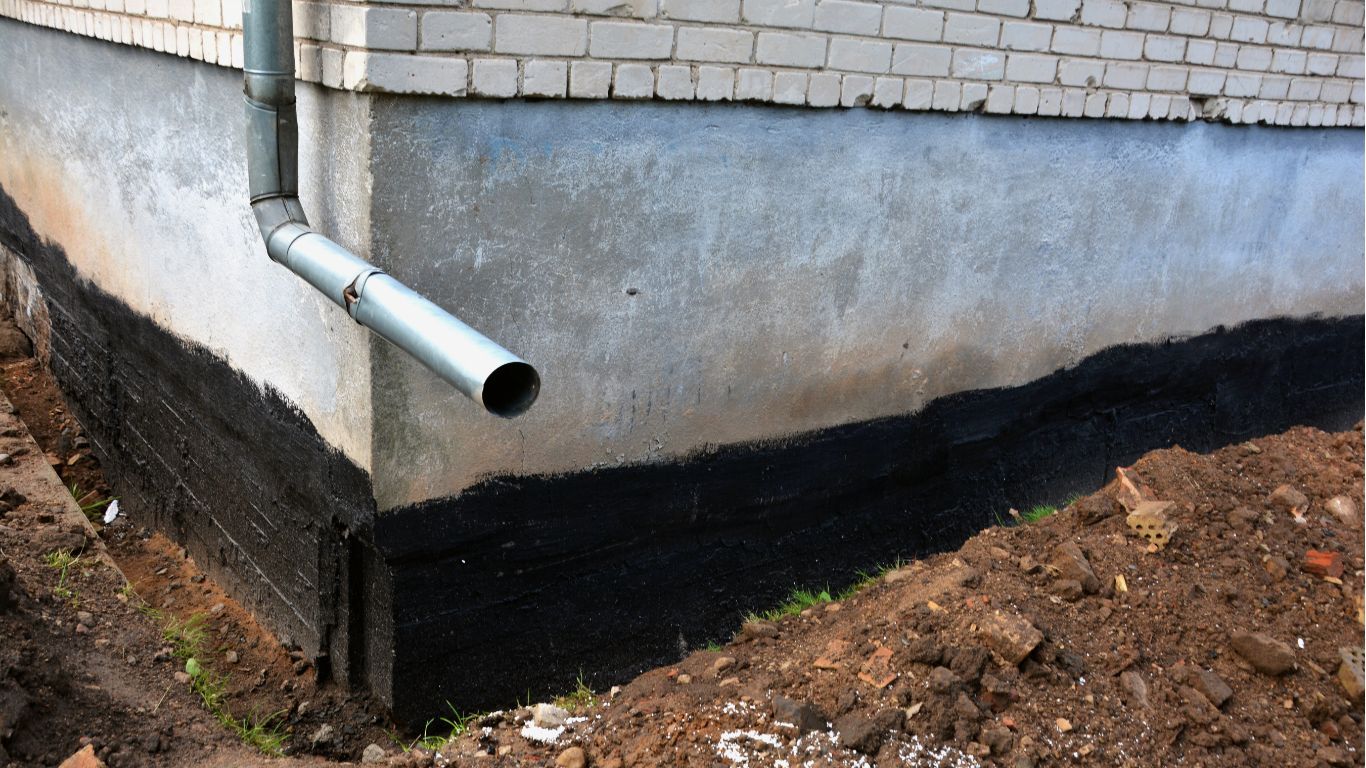
- Water intrusion through foundation walls is both a symptom and a cause: it weakens the foundation material while also signaling that exterior drainage or waterproofing has failed.
- Foundation problems caught early are almost always less expensive to repair than those discovered during a home sale inspection or after visible structural movement has occurred.
For Long Island homeowners wondering what are the signs of foundation problems in a house , the good news is that most of the key indicators are visible to the untrained eye — if you know what you're looking for. The sections that follow walk through the most important warning signs in plain language, along with what each one typically suggests about what's happening structurally beneath your home.
When it's time to move from observation to action, having a trusted local expert matters. JT Masonry and Landscaping provides foundation inspection, consultation, repair, and new construction services across Long Island, bringing hands-on experience and a commitment to structural integrity that homeowners in the area have come to rely on. Whether you've spotted something concerning or simply want peace of mind heading into summer, understanding the signs is the first and most important step.
The Warning Signs You Should Never Ignore
Most foundation problems don't announce themselves dramatically. They creep in gradually — a crack here, a sticking door there — until the issue is far more serious than it needed to be. The good news is that your home is constantly communicating. Once you know what to look for, you can act early and avoid the kind of structural deterioration that becomes genuinely expensive to fix. Here's a closer look at the most common signs of foundation problems in a house, and what each one is likely telling you about what's happening underground.
Diagonal Cracks in Walls
Hairline cracks that run straight up or down along drywall seams are often the result of normal settling and aren't necessarily cause for alarm. But diagonal cracks — particularly those that appear at the corners of doors and windows or run at a 45-degree angle across a wall — tend to indicate differential settlement. This means one area of your foundation is sinking or shifting at a different rate than another. On Long Island, where soil composition can vary considerably across a single property, this type of uneven movement is not uncommon, especially following periods of heavy spring rain followed by the drying heat of early summer. If you're noticing diagonal cracks widening or multiplying through June, that's a pattern worth taking seriously.
Uneven or Sloping Floors
A floor that feels noticeably sloped underfoot, or one where furniture seems to drift to one side of a room, is one of the more telling signs of foundation movement. This is especially relevant in older Long Island homes where wood subfloors have had years to respond to shifts in the foundation beneath them. Sometimes homeowners dismiss this as a quirk of an older house. In reality, sloping floors often point to a foundation that is no longer sitting level — whether due to soil erosion, moisture damage, or structural compromise in the foundation walls or piers themselves. A professional inspection is the only reliable way to determine the true cause.
Doors and Windows That Stick or Won't Close Properly
If you've noticed interior doors that suddenly require extra force to open or close, or exterior doors that seem to have shifted out of square, your foundation may be the reason. As a foundation moves, it transfers stress up through the framing of the house. Door and window frames are particularly sensitive to this kind of distortion — even a small amount of foundation movement can throw them visibly out of alignment. This symptom tends to appear or worsen in summer months, as soil beneath a home expands with moisture from rain and then contracts as the ground dries out. That cycle of expansion and contraction can slowly but steadily push a foundation out of position.
Bowing or Leaning Basement Walls
- Inward bowing is typically caused by lateral pressure from soil pushing against the exterior of the foundation wall — common after periods of heavy rain when saturated soil becomes significantly heavier.
- Horizontal cracks running across a basement wall (as opposed to vertical or diagonal ones) are a particularly serious warning sign, often indicating that the wall is under significant structural stress.
- Stair-step cracks in block or brick basement walls follow the mortar joints and suggest ongoing movement or settlement that needs professional evaluation.
- Visible gaps between the top of the basement wall and the floor above it can signal that the wall has shifted enough to no longer be in proper contact with the structure it's meant to support.
Bowing basement walls are not a cosmetic issue. They represent active structural compromise, and they tend to worsen over time if left unaddressed. If you're seeing any of these signs, a foundation inspection should be your immediate next step.
Water Intrusion and Moisture in the Basement
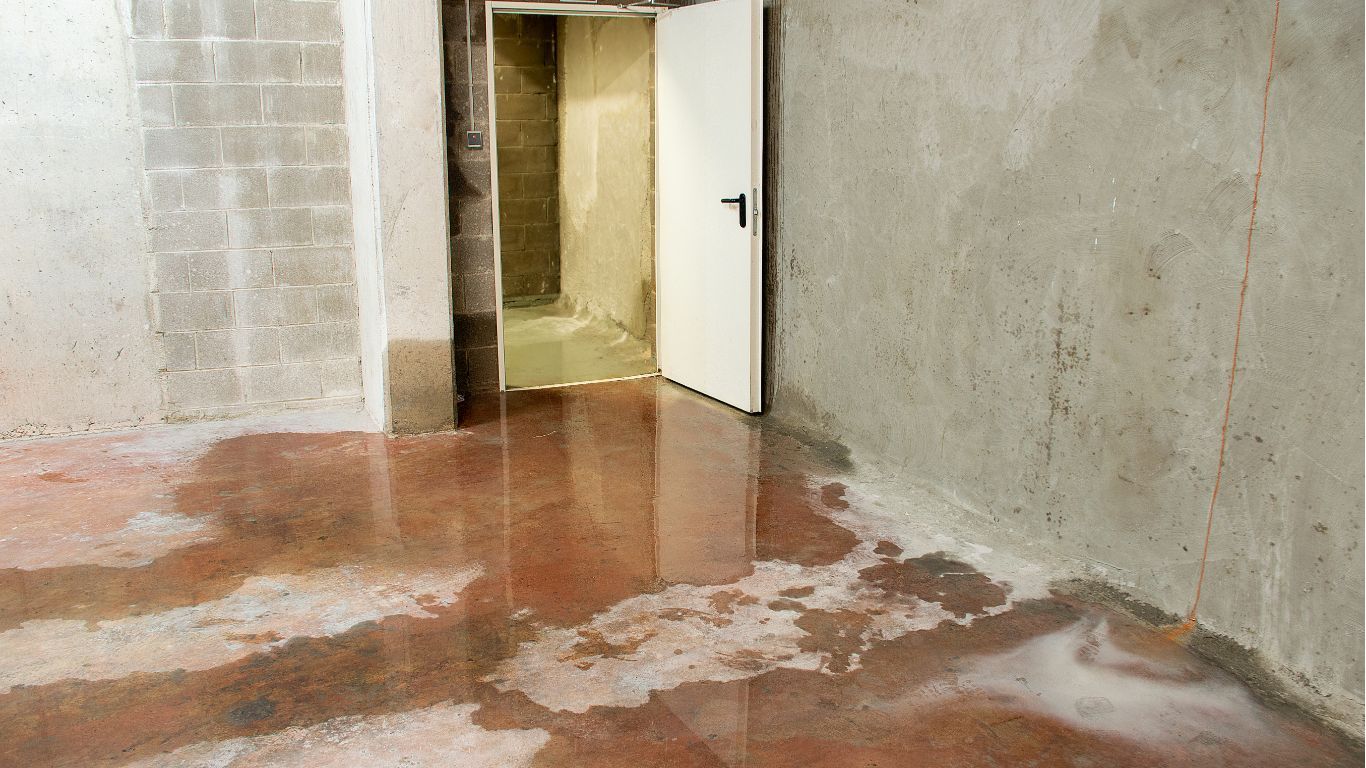
Water finding its way into a basement is sometimes the result of a simple drainage or grading issue, but it can also be a direct symptom of foundation cracks that are allowing groundwater to seep through. After a rainy spring — like many parts of Long Island experienced heading into the summer of 2026 — basements that previously stayed dry can suddenly show signs of moisture. Efflorescence (the white, chalky residue that appears on concrete or block walls) is a common indicator that water has been moving through the wall. Persistent dampness, pooling water, or a musty smell should all prompt a closer look at the foundation walls themselves.
Gaps Around Window Frames and Exterior Doors
Step outside your home and take a close look at the perimeter of your exterior door frames and window frames. Gaps that have appeared between the frame and the surrounding siding or brickwork — especially if they weren't there before — can indicate that the structure is shifting. These gaps are more than a cosmetic problem. They allow moisture and air infiltration, and they're a sign that the home's framing is responding to movement somewhere below. On Long Island, where many homes sit on a combination of clay-heavy and sandy soils, this kind of shifting is particularly likely during dry summer stretches after wet spring seasons.
What These Signs Mean Together
- One isolated crack in low-moisture conditions may not be urgent, but multiple symptoms appearing around the same time almost always warrant professional attention.
- Signs that appear or worsen seasonally — particularly in early summer after ground movement from spring rain — are especially worth monitoring closely.
- Foundation problems are progressive. The longer they go unaddressed, the more expensive and complex the repair process typically becomes.
- Early-stage issues identified through a professional inspection are almost always more manageable and less costly to resolve than damage that has been allowed to develop over months or years.
If any of these warning signs sound familiar, the smart move is to get a professional set of eyes on your foundation before the summer heat and ground shifts have a chance to make things worse. JT Masonry and Landscaping offers foundation inspection and consultation services on Long Island , giving homeowners a clear, honest picture of what's happening with their foundation and what — if anything — needs to be done about it. Their experienced team conducts thorough assessments to identify potential vulnerabilities, which means you're not left guessing or waiting for a minor issue to become a major one.
From Warning Signs to Lasting Solutions
Recognizing the warning signs of foundation trouble is only half the battle. The next step — and the most important one — is acting on what you've found before Long Island's summer heat and shifting soils turn a manageable repair into a major structural project. This is exactly where professional foundation services make all the difference.
At JT Masonry & Landscaping , the team handles everything from the initial inspection through to full-scale repair and new construction foundations. Whether you've noticed a diagonal crack running from your window frame, a door that suddenly refuses to close properly, or moisture seeping into your basement after a heavy rain, these aren't issues to monitor and hope for the best. They're invitations to call in an expert before the problem compounds.
What a Professional Foundation Assessment Actually Covers
Many homeowners assume a foundation inspection only happens when something looks seriously wrong. In reality, a thorough assessment is one of the smartest proactive investments a property owner can make — especially heading into the second half of summer when soil conditions on Long Island are at their most unpredictable.
A professional inspection from JT Masonry goes beyond a surface glance. The team evaluates the full condition of your existing foundation, identifies vulnerabilities that may not yet be visible to the untrained eye, and provides you with a clear picture of where things stand. This is particularly valuable if you're preparing to purchase a property, planning a renovation, or simply want confirmation that your home's base is as solid as it should be.
What gets assessed during a foundation inspection typically includes:
- The presence and pattern of cracks in walls, floors, and the foundation itself
- Signs of water intrusion or moisture damage
- Evidence of settling, shifting, or uneven load distribution
- The condition of basement walls, including any bowing or lateral movement
- Gaps or separation around window frames, door frames, and exterior walls
Each of these findings tells a story. An experienced team knows how to read that story accurately and recommend the right course of action — whether that's a targeted repair, a preventative maintenance plan, or more involved structural work.
The Case for Preventative Foundation Maintenance
One of the most cost-effective things a Long Island homeowner can do is invest in preventative foundation maintenance rather than waiting for problems to force their hand. Foundations don't deteriorate overnight. The process is gradual, and the window to intervene at a lower cost is wider than most people realize — but it doesn't stay open forever.
JT Masonry offers tailored maintenance plans designed to address potential issues before they escalate. Regular inspections paired with minor repairs and proactive measures can significantly extend the life of a foundation. When you consider the alternative — emergency structural repairs that disrupt your home and your budget — the value of staying ahead of the problem becomes obvious.
Preventative maintenance is especially relevant for Long Island properties because of the region's clay-heavy soils, seasonal freeze-thaw cycles, and the heavy rainfall that spring and early summer consistently bring. These conditions don't just affect older homes. Even relatively newer construction can develop foundation stress when drainage is poor or soil conditions shift beneath the slab.
Residential, Commercial, and New Construction — All Covered
JT Masonry's foundation services extend well beyond repair work. Whether you're building a new home from the ground up, managing a commercial property, or dealing with a repair that's been on the back burner too long, the team brings the same level of expertise and attention to detail to every project type.
- Residential Foundations: From traditional family homes to modern builds, every residential project gets a foundation tailored to its specific structural and design requirements.
- Commercial Foundations: Commercial projects carry heightened structural responsibility, and JT Masonry delivers expert solutions that meet the demands of larger, more complex builds.
- Foundation Repair: Minor cracks and more extensive structural concerns are both handled with precision — restoring integrity without unnecessary disruption.
- New Construction Foundations: Working directly with builders and architects, JT Masonry ensures that new projects start on a dependable, professionally laid base.
What Real Clients Have Experienced
Trust is built through results, and JT Masonry has earned its reputation one completed project at a time. Mike P., a satisfied client, described the team as exceptional from the first point of contact through project completion — noting the professionalism of owner Justin and the efficiency of the crew. Jim J. shared that his experience with Justin and the team, which included a major inground pool and paver installation, was seamless from the planning stage all the way through to completion. Both clients noted they would not hesitate to work with JT Masonry again or recommend them to others.
That consistency — across different project types, different homeowners, and different scopes of work — speaks to something more than technical skill. It reflects a team that takes ownership seriously and treats every property with the care it deserves.
Don't Let Summer Ground Shifts Make This Worse
June 2026 is already well into the season when Long Island soils are most active. Expansion from heat, residual moisture from spring rains, and the daily thermal cycling that comes with summer all place ongoing stress on residential and commercial foundations. The signs that seemed minor in April can look very different by August if they go unaddressed.
If you've noticed any of the warning signs discussed in this article — sticking doors, diagonal cracks, sloping floors, bowing walls, or water intrusion — this is the moment to act. Not next month. Not after one more rainstorm. Now, while the repair scope is still manageable and the cost is still reasonable.
JT Masonry & Landscaping is ready to assess your foundation, explain your options clearly, and get to work building or restoring the structural base your home or commercial property depends on. Reach out today to schedule your inspection or consultation — and head into the rest of summer with genuine confidence in what's holding your property up.