
How Long Does Professional Brickwork Last? What Long Island Homeowners Need to Know Before Summer Projects
June 2026 has brought a familiar rhythm to Long Island neighborhoods — ladders going up, contractors getting booked out, and homeowners walking their properties with fresh eyes after another punishing winter. For many, this season's inspection reveals the same thing: brickwork that looked solid a few years ago is now showing its age. Mortar joints that have started to recede. A stoop that's settled just enough to notice. A facade where a handful of bricks have begun to chip and flake in ways that weren't there before the cold season hit. If any of this sounds familiar, the question isn't just how to fix it — it's how to fix it in a way that actually lasts.
That question leads most Long Island homeowners to the same place: how long is professional brickwork actually supposed to last? It's a reasonable thing to wonder, especially when you're weighing the cost of a proper repair or new installation against the prospect of dealing with the same problem again in five years. The answer is more nuanced than most people expect — and understanding it is the difference between making a smart investment in your property and repeating the same mistake with different contractors.
The Real Lifespan of Professionally Installed Brickwork
The short answer is that professionally installed brickwork, done correctly with quality materials and sound technique, can last anywhere from 50 to well over 100 years. There are brick structures across the northeastern United States — including right here on Long Island — that have been standing for a century without requiring anything more than periodic mortar maintenance. Brick itself is an exceptionally durable material. When it's fired properly and laid by hands that understand load distribution, drainage, and joint consistency, it becomes one of the most resilient building systems available to residential and commercial property owners.
But that headline number comes with an important caveat, and it's one that changes everything about how you should approach your next brickwork decision: the longevity of a brickwork system isn't determined by the brick alone. It's determined by the mortar, the installation technique, the drainage design, the quality of the materials, and — critically — how well all of those elements are matched to the specific environment where the brickwork has to perform.
Mortar and brick age on very different timelines. While the brick units themselves can persist for generations with minimal degradation, mortar joints are the more vulnerable component of any brickwork system. Even in favorable conditions, mortar typically begins to show meaningful deterioration after 20 to 30 years. In harsher environments — and Long Island qualifies as one — that window can be shorter if the original mortar mix wasn't properly specified for local conditions. This distinction matters enormously for homeowners trying to evaluate what they're actually looking at when they see cracks or recession in their mortar joints. It's not necessarily a sign that the entire structure is failing. In many cases, it's a sign that the mortar has reached the end of its service cycle and needs to be addressed through professional repointing before water infiltration turns a manageable maintenance issue into a structural one.
Why Long Island's Climate Is a Factor You Can't Ignore
Understanding brickwork lifespan in general terms is useful. Understanding it in the context of Long Island's specific environment is essential — because the forces acting on masonry here are more demanding than in many other parts of the country, and they accelerate deterioration in ways that catch homeowners off guard.
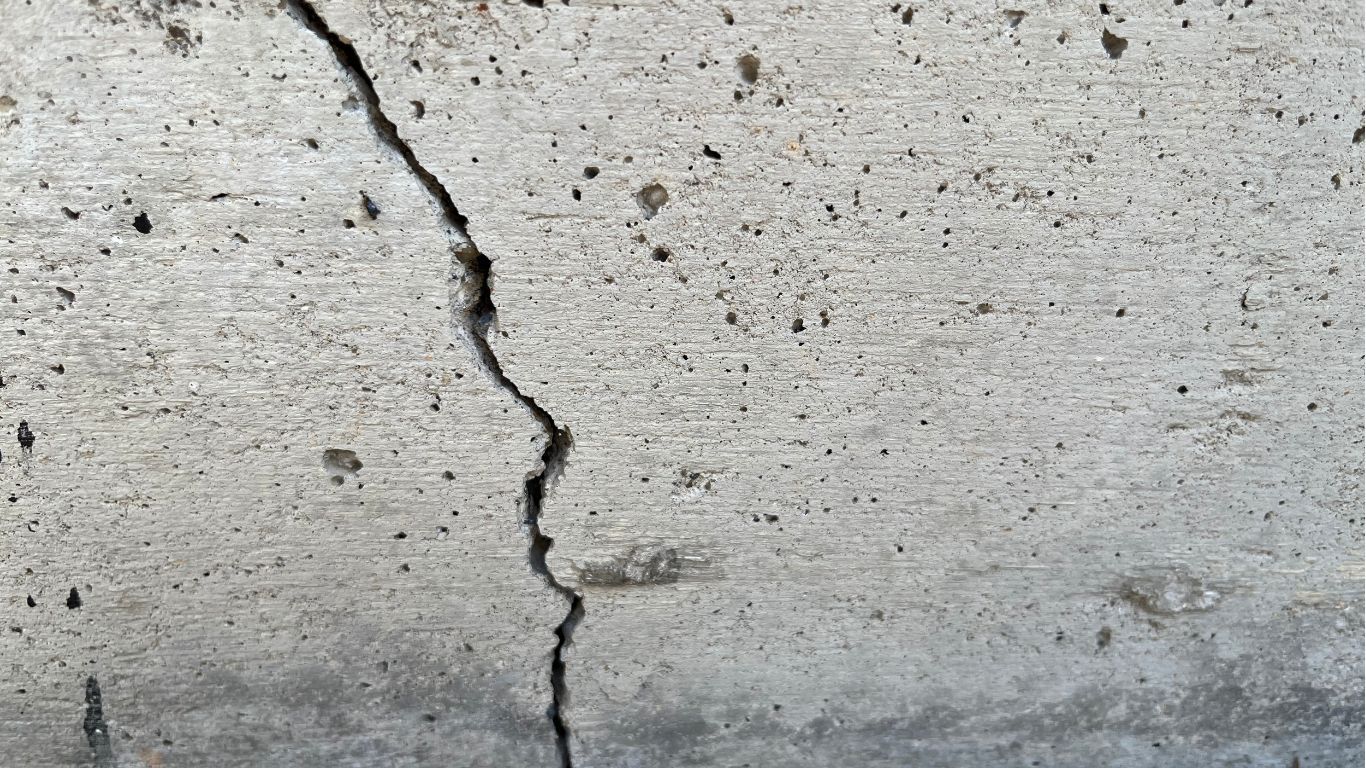
Long Island sits at a climate crossroads. Properties close to the shoreline deal with persistent salt air and coastal moisture that corrodes mortar chemistry over time and accelerates the breakdown of improperly sealed surfaces. Further inland, the freeze-thaw cycle is the dominant threat. Water finds its way into hairline cracks — cracks that may be invisible to the naked eye — and when temperatures drop below freezing, that water expands. Over dozens of cycles, the expansion and contraction of ice inside those micro-fractures works like a slow wedge, widening cracks, loosening brick faces, and compromising mortar joints from the inside out. The result, if left unaddressed, is spalling: the progressive flaking and crumbling of brick faces that signals deeper structural compromise.
There's also the matter of soil. Long Island's subsurface conditions vary considerably across Nassau and Suffolk County, and shifting or settling soil beneath a foundation or stoop can introduce lateral stress into brickwork that was never designed to absorb it. This is why a stoop that was properly installed can begin to show uneven settlement years later — not because the masonry itself was flawed, but because the ground beneath it moved in ways that a less experienced contractor failed to account for in the original design.
These aren't abstract concerns. They're the everyday reality of owning a brick structure on Long Island, and they're exactly why the distinction between professionally installed brickwork and work done by under-qualified contractors becomes so consequential over time. The variables that determine whether your brickwork lasts 30 years or 100 years are almost entirely controlled at the moment of installation — and in the quality of the maintenance decisions made in the years that follow.
The Key Variables That Determine How Long Brickwork Lasts
When evaluating any brickwork project — whether it's a new installation you're planning or existing work you're trying to assess — the following factors have the greatest influence on long-term performance:
- Mortar mix specification: Not all mortar is appropriate for all applications. The wrong mortar type — one that's too hard, too soft, or chemically incompatible with the brick units being used — will deteriorate faster and can actually cause damage to the brick faces over time. Proper mortar selection requires knowledge of the brick type, the structural load, and the environmental exposure the finished work will face.
- Joint consistency and tooling: The way mortar joints are finished affects how water sheds from the surface. Poorly tooled joints allow water to pool and penetrate rather than run off, accelerating the freeze-thaw damage cycle.
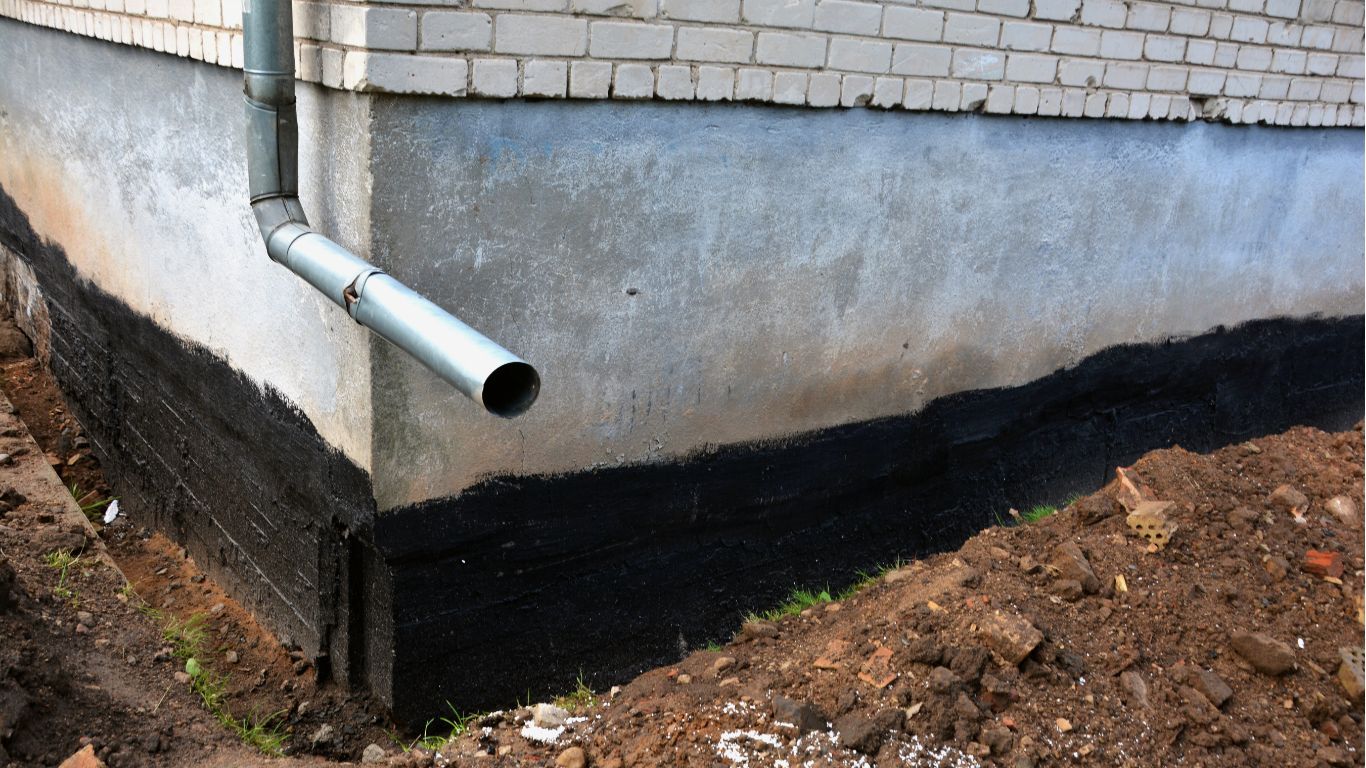
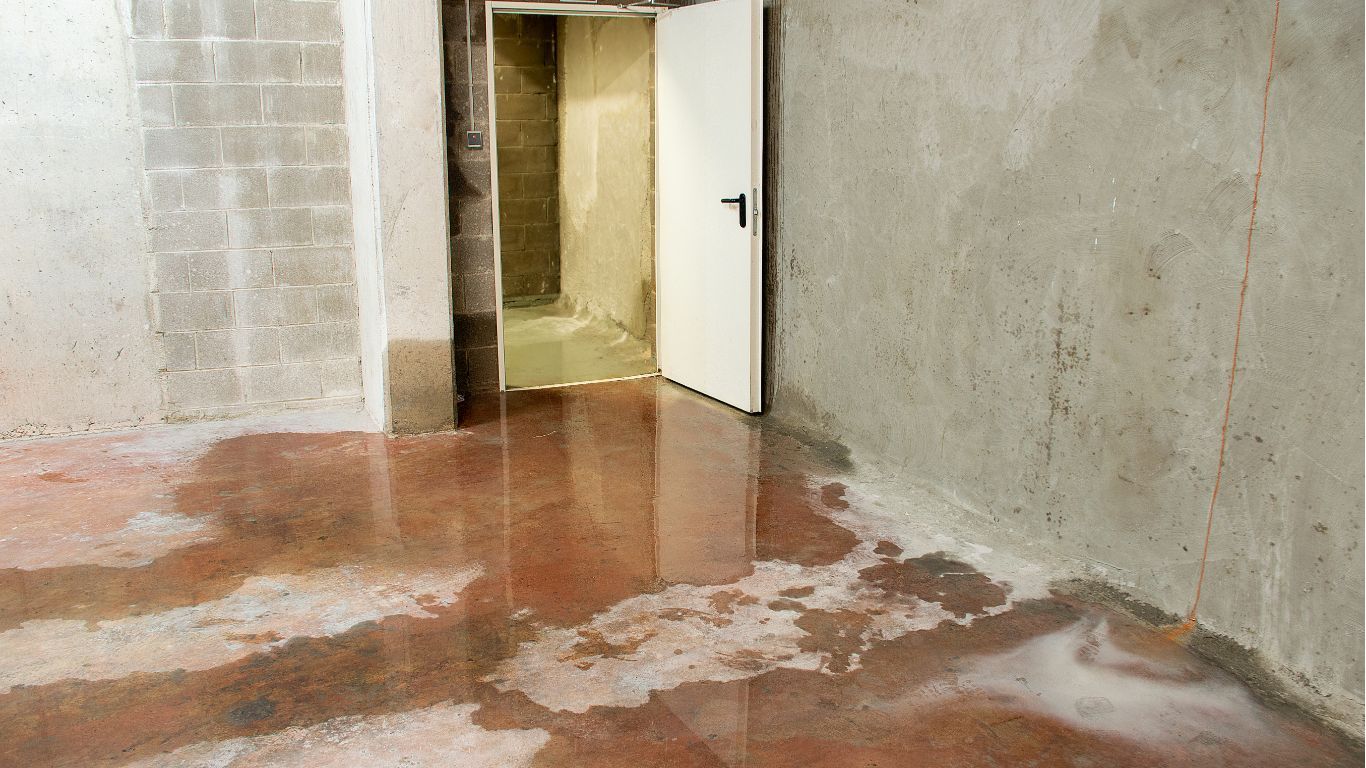
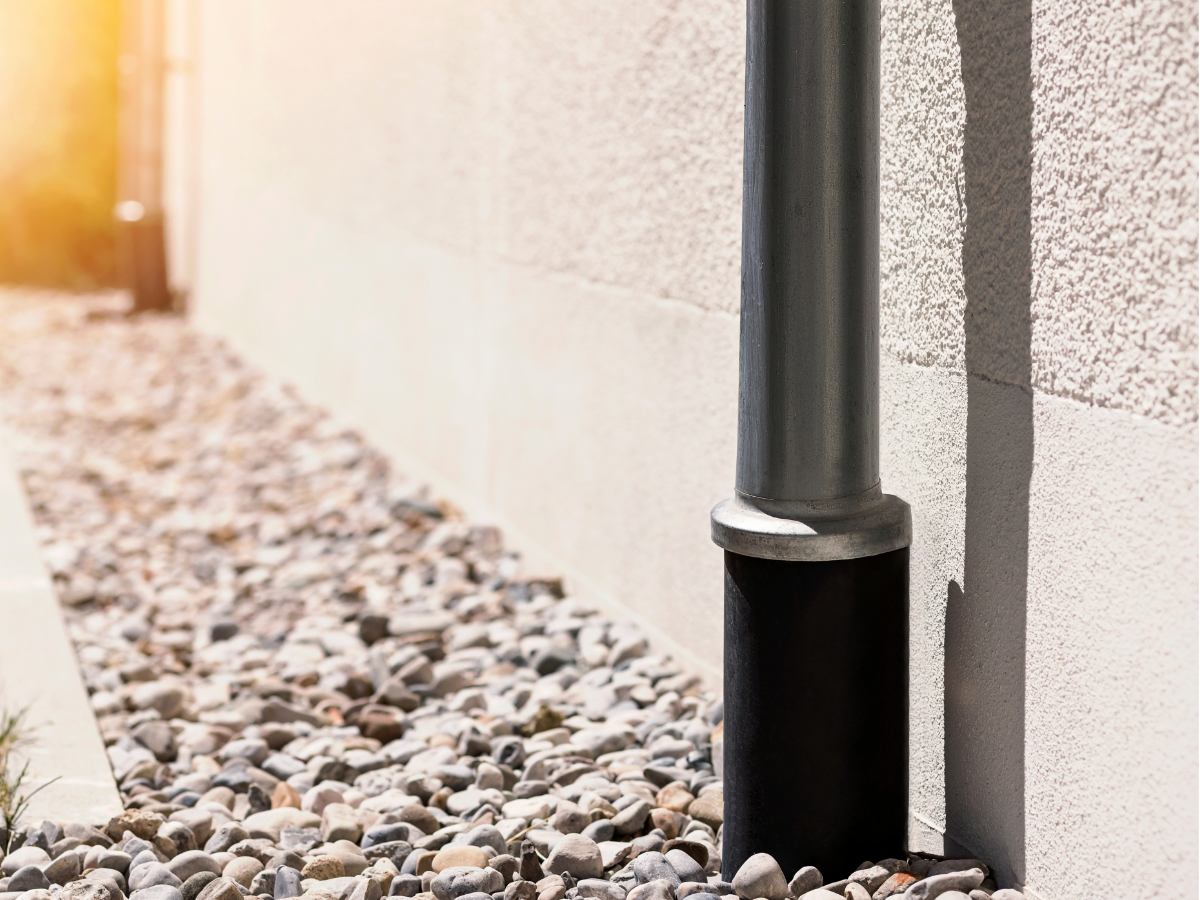
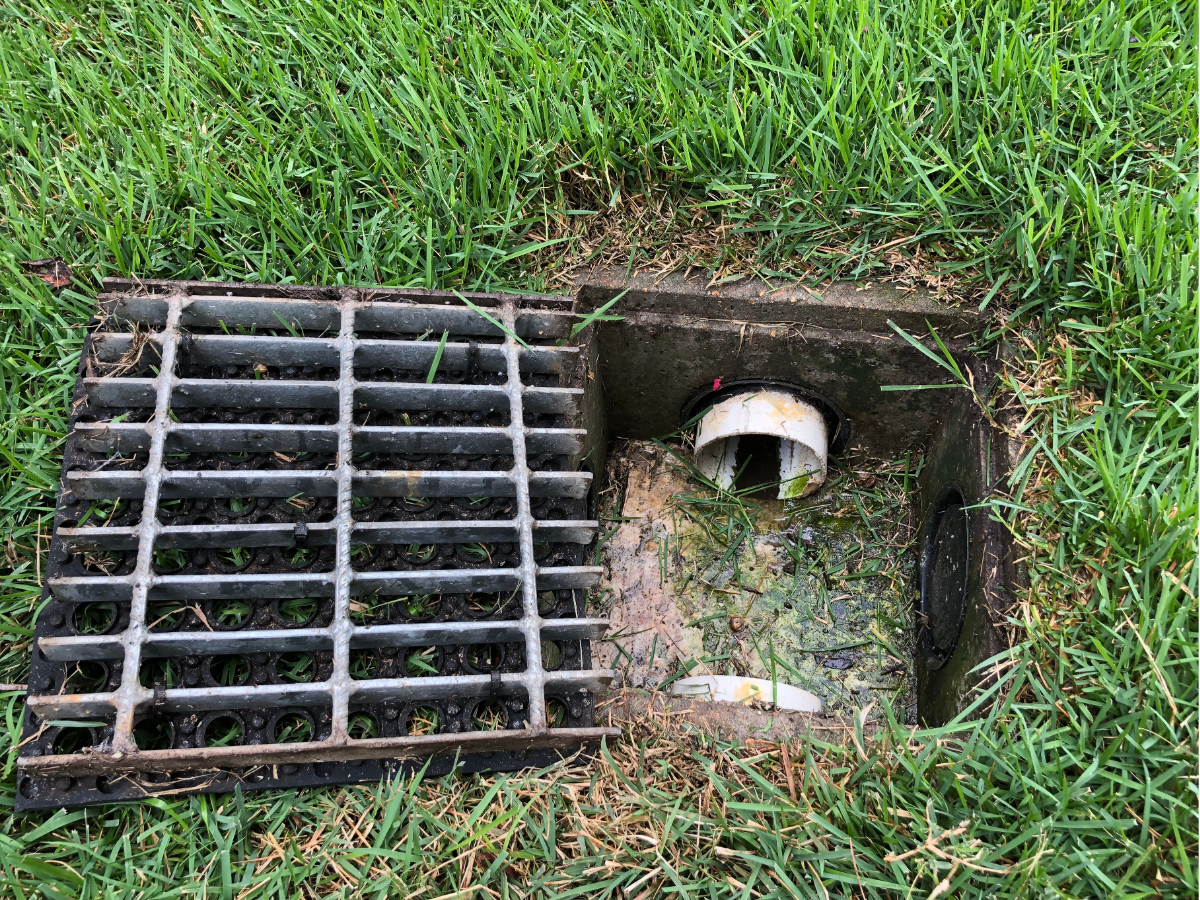
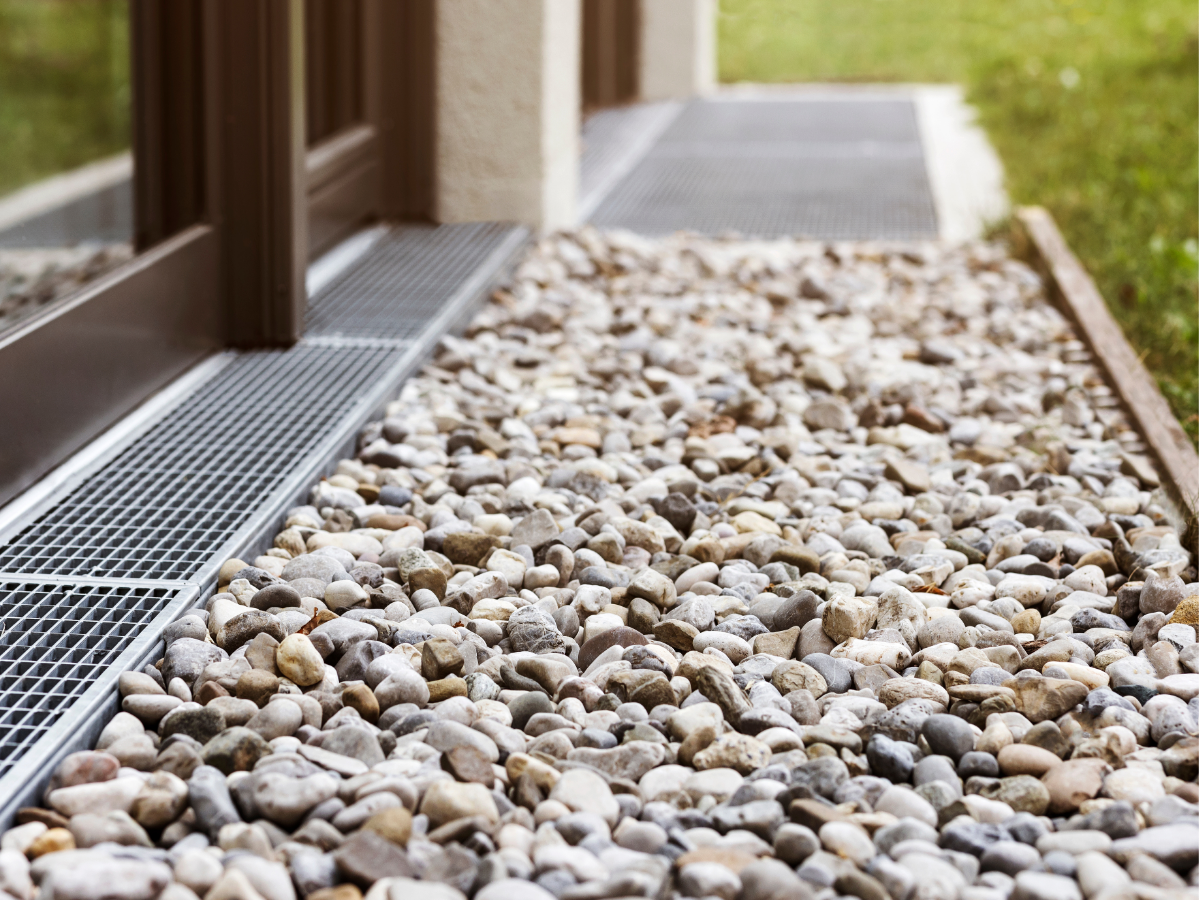
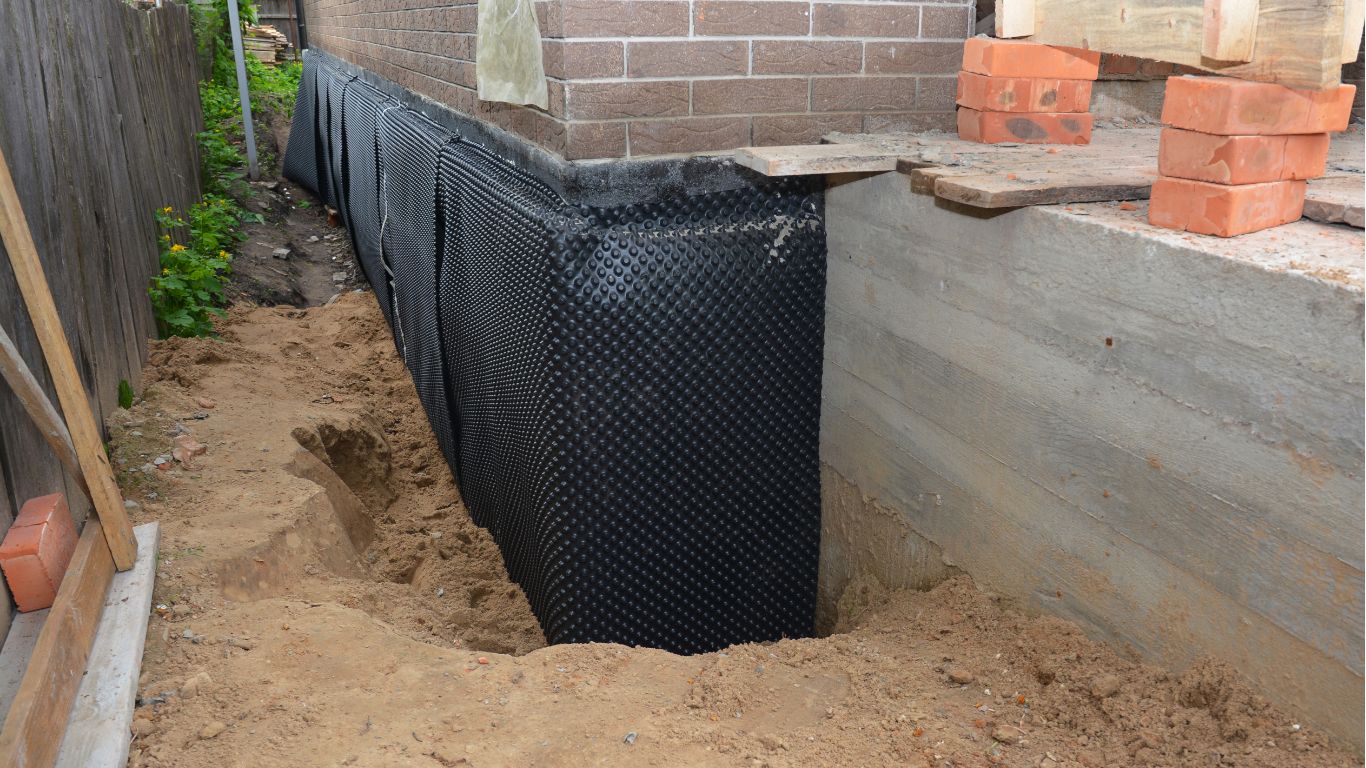
- Drainage integration: Brickwork that traps moisture behind it — whether in a wall, stoop, or foundation — degrades far faster than work designed with proper drainage channels and weep holes. This is a detail that's invisible once a project is complete, which is why it's so often skipped by less experienced contractors.
- Structural support and code compliance: Load-bearing brickwork that doesn't account for the actual forces it will carry — including soil pressure, foot traffic, and settlement — is brickwork that will fail prematurely, often in ways that create safety hazards before cosmetic warning signs appear.
- Local climate knowledge: A contractor working from generic best practices without direct familiarity with Long Island's freeze-thaw cycles, coastal conditions, and soil behavior will make choices that seem reasonable in theory but underperform in practice.
These variables don't operate in isolation. A brickwork project that gets mortar selection right but neglects drainage will still fail ahead of schedule. One that addresses drainage but uses improper joint tooling will still allow water infiltration. Longevity in brickwork is the result of getting all of these elements right simultaneously — which is precisely why professional expertise isn't optional if you want results that hold up for decades rather than years.
For Long Island homeowners and property owners looking at brickwork decisions this summer, the stakes are real. Whether you're assessing winter damage on an existing stoop, planning a new brick wall or facade installation, or trying to understand why mortar that seemed fine last year has started to crack and recede, the foundation of every good decision is the same: work with a team that understands not just how to lay brick, but how to build brickwork systems engineered to last in this specific environment. JT Masonry & Landscaping has been doing exactly that across Nassau and Suffolk County for over 15 years — and the difference that local expertise makes is visible in every project they complete.
Long Island's environment is genuinely hard on masonry. While brick itself is one of the most resilient building materials ever developed, the system around it — mortar joints, drainage, foundational support, and surface integrity — is constantly under stress from forces that are specific to this part of New York. Understanding what shortens brickwork's lifespan on Long Island properties is the first step toward making decisions that protect your investment for decades rather than just years.
The Environmental Pressures Long Island Masonry Faces Year-Round
Salt air is one of the most underappreciated threats to mortar on Long Island. Properties within several miles of the coastline — which describes a significant portion of Nassau and Suffolk County — are exposed to airborne chlorides that gradually break down the binding agents in mortar. This process is slow and invisible at first, but over time it accelerates joint deterioration far faster than you'd see in an inland location with similar weather patterns.
Freeze-thaw cycling is the other major culprit. During winter months, water that has worked its way into hairline cracks in mortar or brick faces expands as it freezes. That expansion exerts outward pressure on the surrounding material. Over a single winter, this might cause minimal visible damage. Over five or ten winters, those hairline cracks become open fractures, and what was once a structurally sound wall, stoop, or facade can begin to exhibit serious deterioration. Long Island's winters aren't as extreme as upstate New York, but the freeze-thaw cycle here — with temperatures that oscillate above and below freezing repeatedly throughout the season — is actually more damaging than sustained deep freezes, because the expansion and contraction happen more frequently.
Soil conditions across Long Island add another layer of complexity. The region's mix of sandy soils, clay-heavy patches, and areas with high water tables means that the ground beneath brickwork structures isn't always stable. Settling foundations, shifting soil, and hydrostatic pressure from groundwater can compromise even well-constructed brick stoops and walls over time, causing them to rack, lean, or crack in ways that have nothing to do with the quality of the brick itself.
Common Failure Points That Cut Brickwork's Lifespan Short
Most brickwork that fails prematurely on Long Island doesn't fail because of the brick — it fails because of what's happening at the joints, the drainage layer, or the structural base. Recognizing these failure points early is the difference between a straightforward repair and a full replacement.
- Deteriorating mortar joints: When mortar begins to crack, recede, or crumble, water infiltration becomes inevitable. Left unaddressed, this leads to internal moisture damage that spreads far beyond the visible joint line.
- Spalling brick faces: Spalling occurs when the face of a brick flakes away, typically as a result of freeze-thaw damage or the use of low-quality brick in the original installation. Spalled bricks compromise both the appearance and the weatherproofing of a wall or facade.
- Uneven stoop and step settlement: Brick stoops that settle unevenly don't just look poor — they create tripping hazards and allow water to pool in low spots, accelerating deterioration of both the brick and the mortar beneath it.
- Inadequate drainage integration: Brickwork that wasn't built with proper drainage channels or weep holes traps moisture behind the facade or within the wall system, leading to efflorescence, internal cracking, and eventually structural compromise.
- Missing or damaged flashing: At transitions between brickwork and rooflines, windows, or doors, flashing is what keeps water from penetrating the wall assembly. When flashing fails or was never properly installed, water damage follows quickly.
How Under-Qualified Work Accelerates Deterioration
One of the most common reasons brickwork fails ahead of schedule isn't environmental — it's the result of work that was done incorrectly from the start. Mortar mix is a prime example. Different applications require different mortar compositions, and using the wrong type — too hard, too soft, or improperly proportioned — creates a joint that either cracks under thermal stress or draws moisture into the brick rather than repelling it. This is a technical decision that requires genuine masonry knowledge, not just the ability to mix and apply material.
Joint consistency matters too. Mortar joints that vary in thickness or that weren't tooled properly at the right point in the curing process are more vulnerable to water infiltration and freeze-thaw damage. On a large wall or facade, inconsistent joints can create localized weak points that begin to fail years before the rest of the structure shows any problems.
Drainage is another area where inexperienced work causes long-term damage. A brick paver installation or retaining wall that wasn't graded or drained properly will hold water against the structure rather than directing it away. In Long Island's wet seasons, this turns a beautiful installation into an ongoing moisture problem that degrades both the masonry and the underlying soil stability.
This is exactly why JT Masonry's brickwork services are built around more than just laying brick. With over 15 years of hands-on experience across Nassau and Suffolk County, the team brings the kind of local, environment-specific knowledge that determines whether a brickwork project holds up through ten Long Island winters or begins showing problems within the first few years. That means understanding the specific soil conditions in different parts of the Island, selecting mortar formulations appropriate for coastal exposure, and engineering drainage into every installation from the ground up — not as an afterthought.
Why Longevity Is an Engineering Decision, Not a Luck Factor
Homeowners sometimes assume that brickwork either lasts or it doesn't, and that the difference is largely about the quality of the brick itself. In reality, brick is almost never the weak link. The factors that determine how long a brickwork installation lasts are almost entirely within the control of the contractor who builds it. Mortar selection, joint technique, drainage integration, structural base preparation, and knowledge of local environmental conditions are the variables that separate a brickwork system that holds for 50 years from one that begins to deteriorate within a decade.
This reframing matters for homeowners who are evaluating brickwork projects right now, in June 2026, as summer opens up the calendar for exterior work. The decisions made during this installation season will determine how the brickwork performs through the coming fall and into the next freeze-thaw cycle. Brickwork built with the right materials, the right technique, and a genuine understanding of Long Island's specific conditions doesn't just survive those cycles — it's engineered to withstand them from day one.
How JT Masonry Builds Brickwork That Goes the Distance
Longevity in brickwork is never accidental. It is the direct result of deliberate decisions made before the first brick is ever set — decisions about mortar chemistry, drainage integration, structural support, and the specific environmental conditions a finished installation will face for the next several decades. On Long Island, where freeze-thaw cycles, coastal salt air, and shifting glacial soils combine to stress masonry year after year, these decisions carry even more weight. Getting them right from the start is what separates brickwork that lasts a lifetime from brickwork that begins failing within a few seasons.
At JT Masonry, every project is approached with that long-term standard in mind. The team's more than 15 years of hands-on experience across Nassau and Suffolk County means they are not guessing at what works in this region — they have seen firsthand how Long Island's conditions interact with different materials, installation methods, and structural approaches. That accumulated knowledge shapes every phase of a brickwork project, from the initial site assessment through the final inspection.
The Craftsmanship Standards That Extend Brickwork Lifespan
Several specific practices distinguish professionally built brickwork that genuinely holds up over time from work that looks acceptable at first but degrades prematurely. Understanding these standards helps property owners ask the right questions and recognize quality work when they see it.
- Correct mortar chemistry: Mortar is not a one-size-fits-all material. The mix ratio — the balance of Portland cement, lime, and sand — must suit the specific application and the surrounding climate. A mortar that is too rigid can crack as the structure moves seasonally; one that is too soft will erode quickly under moisture exposure. JT Masonry selects and applies mortar formulations appropriate to Long Island's conditions and each project's structural demands.
- Proper drainage integration: Water is the primary enemy of long-lasting brickwork. Retaining walls, stoops, foundations, and paved surfaces all require thoughtfully designed drainage systems that channel water away from mortar joints and underlying structures. Without it, even well-laid brickwork becomes vulnerable to saturation, freeze-thaw damage, and eventual deterioration.
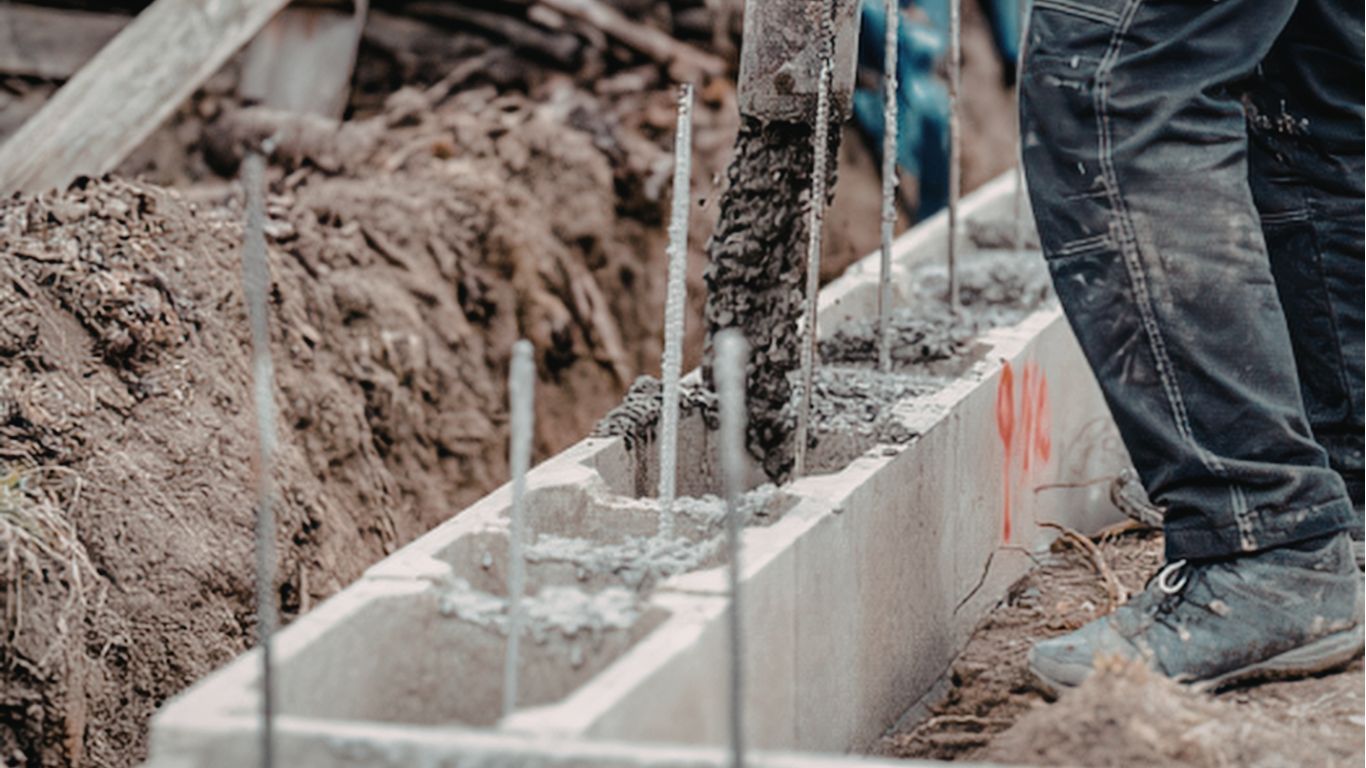
- Code-compliant structural support: Load-bearing brickwork and structural foundations must meet local building codes for a reason — those codes reflect real engineering requirements for safety and durability. JT Masonry's team builds to code on every project, ensuring that structural installations carry their intended loads safely across their full intended lifespan.
- Consistent joint work: Uniform mortar joint depth and width is not merely aesthetic. Inconsistent joints create weak points where water infiltrates and ice expansion causes cracking. Precision joint work throughout an installation contributes directly to how long that installation remains structurally sound.
- Material matching in repairs: When restoring or repointing existing brickwork, using materials that are compatible with the original construction is critical. Mismatched mortar hardness, for example, can accelerate deterioration in adjacent original material rather than extending its life.
A Full-Service Approach With Longevity at the Core
One of the practical advantages of working with a team like JT Masonry is the breadth of brickwork services available under one roof. Whether the project involves new construction or restoration of existing work, the same longevity-first standards apply across every service offered.
New brick wall construction — whether a freestanding boundary wall, a garden wall, or a structural retaining wall — is engineered from the footer up with drainage, proper footing depth, and mortar consistency that meets the demands of Long Island's soil and climate conditions. Brick stoop and step installations are built with the structural support required to handle years of foot traffic, seasonal ground movement, and weather exposure without settling unevenly or becoming a safety hazard.
Repointing services address one of the most common and consequential forms of brickwork deterioration. Because mortar typically requires attention every 20 to 30 years under normal conditions — and sooner when exposed to coastal moisture and repeated freeze-thaw cycles — timely repointing is one of the most effective ways to extend the overall lifespan of a brick structure by decades. Waiting too long allows water infiltration to damage not just the mortar but the surrounding brick faces and underlying structure.
Facade repair and restoration work is carried out with careful attention to matching existing brick textures, colors, and bond patterns so that restored sections integrate seamlessly with original construction. Brick paver installations for driveways, walkways, and patios are designed and built with proper base compaction and edge restraint to prevent shifting and maintain surface integrity through Long Island's winters. Each service, regardless of scale, receives the same standard of care.
Trust Signals That Matter When Choosing a Masonry Contractor
For a project as consequential as brickwork — work that will be part of a property for decades — choosing the right contractor matters enormously. JT Masonry is fully licensed and insured, which protects property owners throughout the duration of every project. Direct communication with owner Justin and his crew means that the expertise behind the initial consultation is the same expertise guiding the work on-site, without the disconnect that comes from working through layers of subcontractors or project managers who were not part of the original assessment.
Long Island homeowners and commercial property owners who have worked with JT Masonry consistently note the professionalism and quality of results — from the planning stage through project completion. That track record across Nassau and Suffolk County reflects what more than 15 years of focused, regional experience produces when it is applied consistently to every project.
June 2026: The Right Time to Act Before the Next Freeze-Thaw Season
Midsummer is an ideal window for brickwork projects and professional assessments. Conditions are favorable for new installation work, and any deterioration that emerged over the past winter — cracked mortar joints, spalling brick faces, uneven stoop settlement — is visible and accessible before the next freeze-thaw season introduces further damage. Addressing these issues now, rather than waiting until fall when contractor schedules tighten and ground temperatures begin to drop, gives property owners the best outcome both in terms of project quality and cost.
For properties where new brickwork is being planned — a new stoop, a retaining wall, a paved walkway, a brick facade — starting the process in June 2026 allows adequate time for consultation, planning, material selection, and proper installation before autumn conditions arrive. Brickwork built this summer under the right conditions, using the right materials and techniques, is brickwork positioned to last well into the second half of this century.
Whether you are assessing existing brickwork that has shown signs of wear or planning a new installation built to stand up to everything Long Island's climate can deliver, the place to start is a direct conversation with a team that knows this region's masonry demands from the ground up. Visit JT Masonry's brickwork services page to learn more about what a professional installation or restoration involves — then take the next step and schedule your personal consultation. The brickwork on your property deserves craftsmanship built to last. Contact JT Masonry today and make sure it gets exactly that.