
Interior vs. Exterior Basement Waterproofing Explained: What Long Island Homeowners Need to Know This Summer
June on Long Island has a way of exposing problems that spent all winter hiding. As temperatures climb and the region's characteristic summer humidity settles in, basements that seemed perfectly dry through the colder months suddenly show their true condition — damp walls, musty odors, pooling water along the floor, or the unmistakable dark spread of mold beginning to form in corners. It happens every year, and every year homeowners are caught off guard by how quickly a small moisture problem escalates once warm, wet conditions take hold.
The reason so many Long Island basements struggle in June and July isn't just heavy rainfall, though the region certainly sees its share of summer storms. It's the combination of rain-saturated soil pressing hydrostatic pressure against foundation walls, rising groundwater tables in low-lying Nassau and Suffolk County neighborhoods, and warm air carrying moisture that condenses on cooler basement surfaces. These conditions work together, and they do it fast. A wall that showed a hairline crack in April can be actively seeping by the time summer is in full swing.
If you've noticed any of this in your own home — maybe a wet patch on the basement wall after a storm, a persistent damp smell that no dehumidifier seems to fix, or efflorescence (that white chalky residue) building up on your block foundation — you're already dealing with a moisture intrusion issue that needs to be addressed properly. The question most homeowners run into at this point isn't whether to waterproof. It's which type of waterproofing they actually need.
Why the Interior vs. Exterior Question Matters More Than Most People Realize
Search for basement waterproofing help and you'll encounter an overwhelming amount of contractor language that treats the subject as if every basement problem has the same solution. In reality, basement waterproofing is not a one-size-fits-all fix — and the distinction between interior and exterior approaches is one of the most important decisions a homeowner can make. Choose the wrong method for your specific problem, and you may spend significant money on work that doesn't resolve the underlying issue, or worse, masks it while the real damage continues beneath the surface.
Interior waterproofing and exterior waterproofing sound like variations of the same thing. They are not. They operate on entirely different principles, target different sources of water intrusion, and are suited to different types of problems. Yet many homeowners go into contractor conversations without understanding the difference, which makes it difficult to ask the right questions or evaluate whether the recommended approach actually fits what's happening in their basement.
This article is designed to close that gap. By the time you've finished reading, you'll understand exactly how each method works, what symptoms point toward one versus the other, and why getting a proper assessment before any work begins is the single most important step in the process — especially for Long Island homes heading into the heaviest part of the summer rain season.
The Warning Signs That Send Homeowners Looking for Answers
Before diving into the mechanics of each waterproofing approach, it helps to recognize the range of symptoms that typically bring homeowners to this decision point. Water problems in basements rarely look the same from house to house, and the specific pattern of what you're seeing is actually one of the most useful diagnostic clues available.
- Water seeping through the base of the wall: This often points to hydrostatic pressure from saturated soil pushing water through the joint where the wall meets the floor — a common issue in Long Island homes after heavy rain.
- Damp or wet patches appearing midway up foundation walls: This can indicate water moving through porous block or concrete, particularly in older foundations where the original waterproofing has degraded.
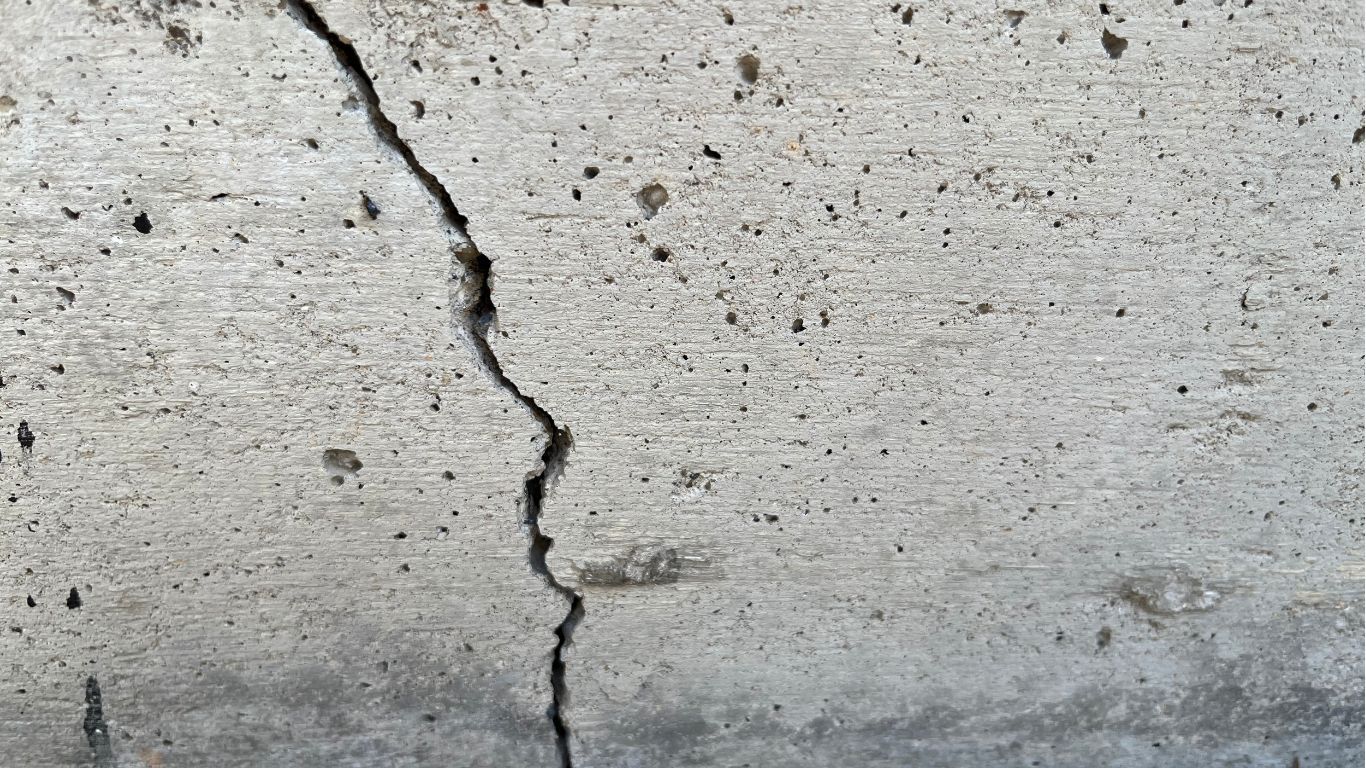
- Visible cracks in the foundation wall, especially horizontal or stair-step cracks: These are structural concerns that may require waterproofing as part of a broader foundation repair approach.
- A musty smell that persists regardless of ventilation: Chronic moisture — even without standing water — creates conditions for mold and mildew growth that can affect air quality throughout the home.
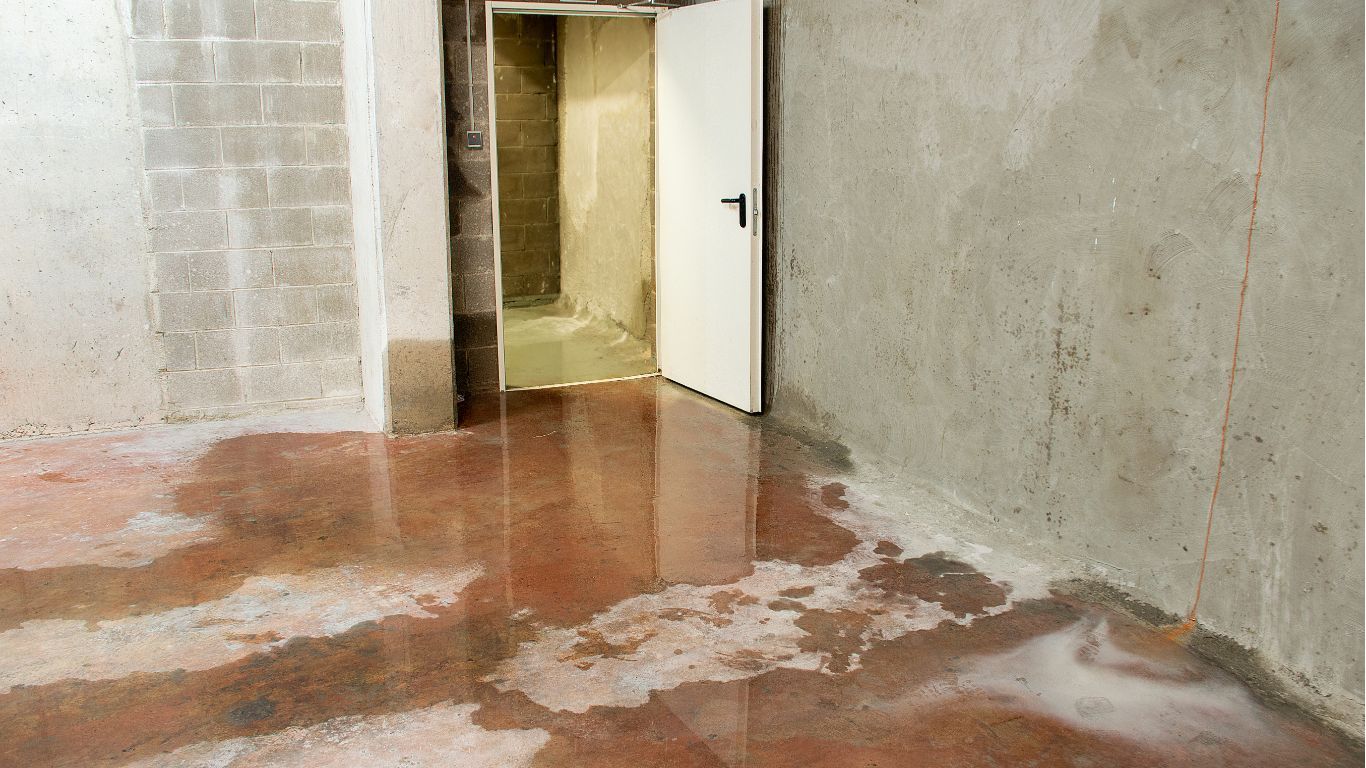
- Efflorescence on block or concrete walls: The white, powdery mineral deposits left behind as water evaporates through masonry are a reliable indicator that water is actively moving through your foundation walls.
- Standing water on the basement floor after storms: Active flooding that enters quickly during heavy rainfall is a different problem profile than slow seepage, and it typically calls for a different solution set.
- Rust stains near floor drains or around the base of walls: These can indicate recurring water presence that may not always be visible at the time of inspection.
Each of these symptoms carries information about where the water is coming from and how it's getting in. That information is what should drive the waterproofing recommendation — not a contractor's preference for a particular product or installation method. Understanding what interior and exterior waterproofing actually do makes it possible to evaluate whether the solution you're being offered matches the problem you actually have.
How Interior Basement Waterproofing Actually Works
Interior waterproofing is often misunderstood. Many homeowners assume it means simply painting a waterproof sealant on basement walls and calling it a day — but a properly executed interior waterproofing system is considerably more involved than that, and when done right, it can be a genuinely effective long-term solution for the right type of water problem.
At its core, interior waterproofing is designed to manage water that has already made its way into your basement rather than stopping it before it arrives. The fundamental approach is about controlling and redirecting moisture rather than creating an impenetrable barrier at the source. Here's how the key components typically work together:
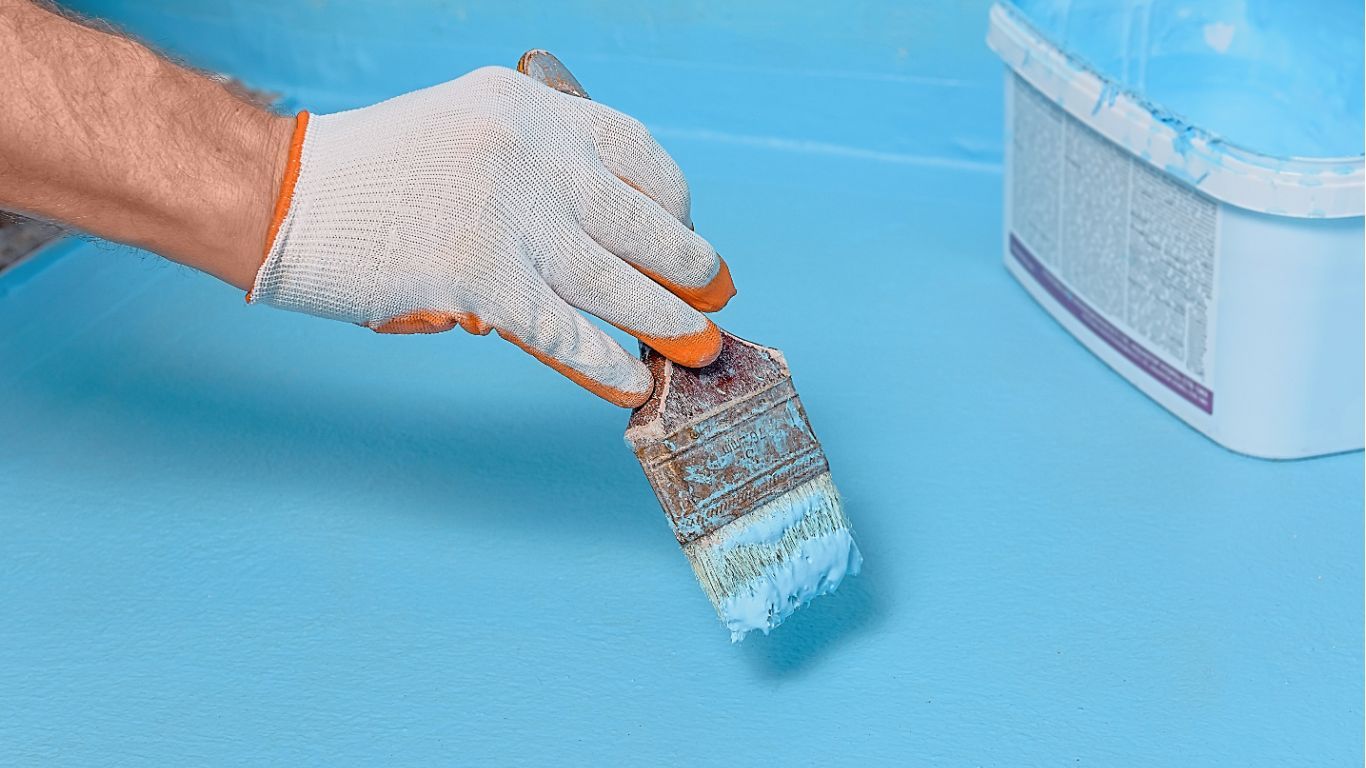
- Sealants and coatings: Applied directly to interior walls and floors, these products can reduce moisture vapor transmission through concrete and block minor seepage through hairline cracks. They work best on porous masonry surfaces and are most effective when water pressure against the wall is relatively low.
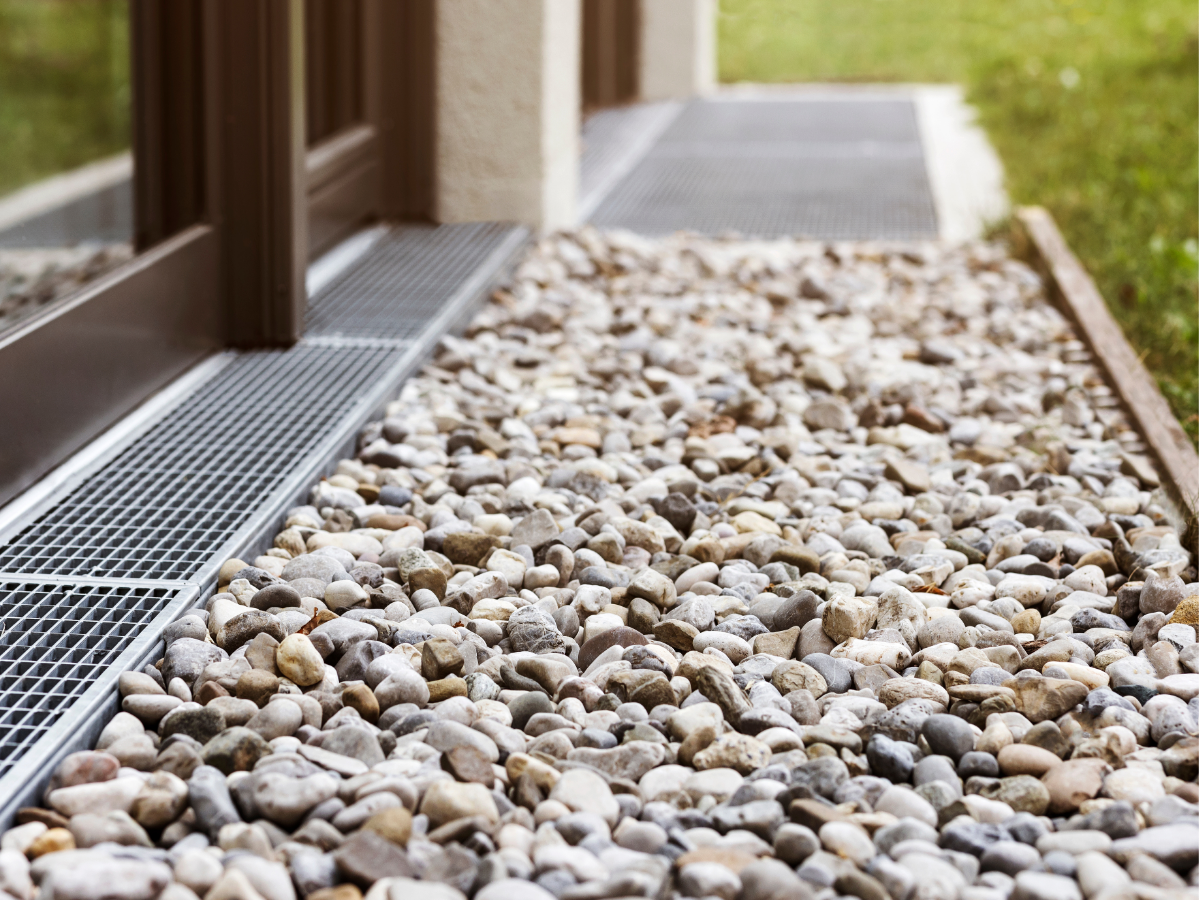
- Interior drainage channels: These are installed along the perimeter of the basement floor, typically beneath a new concrete layer. They collect water that seeps through the walls or up through the floor and channel it toward a sump pump system. This is one of the most reliable interior methods for homes dealing with consistent water infiltration.
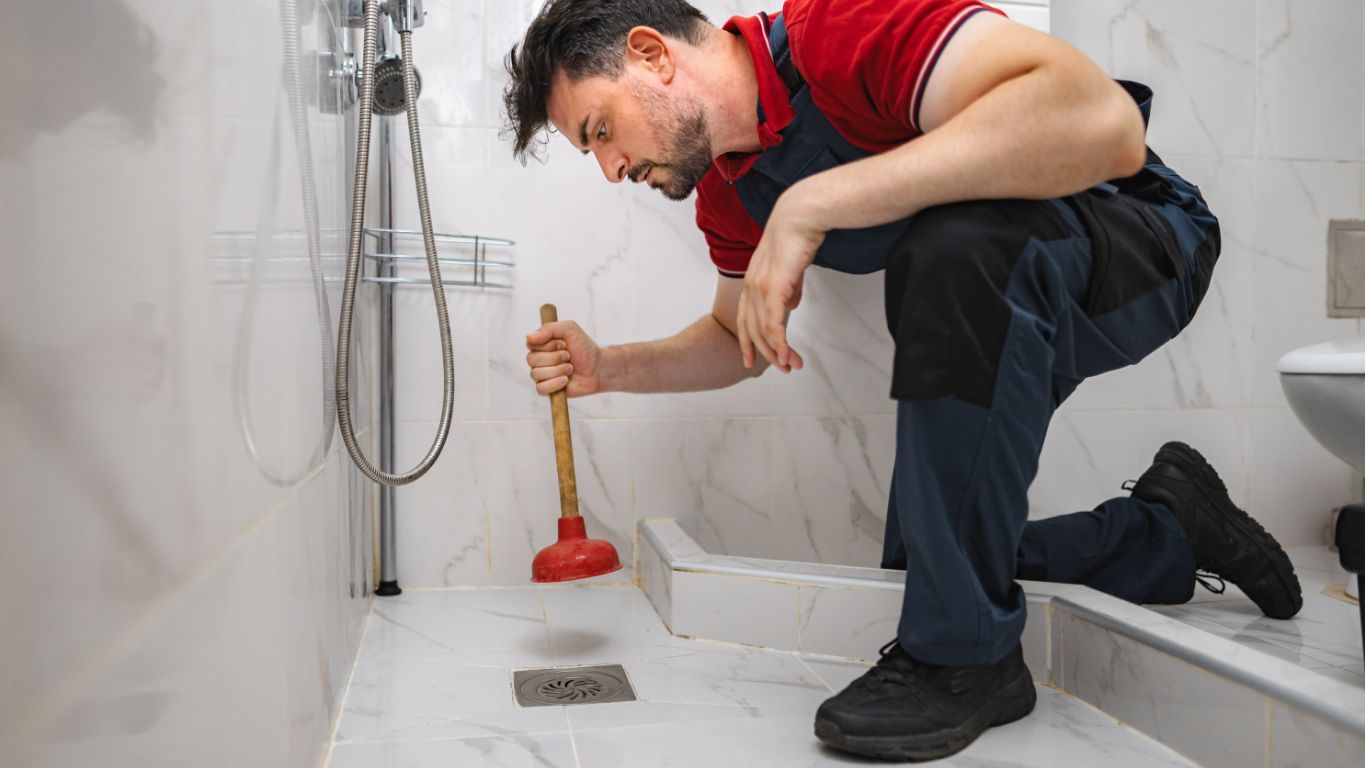
- Sump pump systems: A sump pump is the engine of any serious interior waterproofing setup. Installed in a pit at the lowest point of the basement, it automatically pumps collected groundwater out and away from the home before it can pool or cause damage. In a region like Long Island, where heavy summer rain events are common, a properly installed sump pump can be the difference between a dry basement and a flooded one.
Interior waterproofing is often the preferred approach when excavating the exterior of a home isn't practical, when the goal is to control chronic low-level seepage, or when a homeowner needs a faster and less disruptive solution. It's also frequently the right answer when water is entering through floor joints or rising from below due to hydrostatic pressure from a high water table — a genuine concern in many parts of Nassau and Suffolk County.
That said, interior waterproofing does have real limitations. It doesn't address the underlying cause of water intrusion — it manages the symptom. If your foundation has significant structural cracks or if water is being pushed against your walls by saturated soil, interior methods alone may not be sufficient over the long term.
What Exterior Waterproofing Involves — and When It's the Right Call
Exterior waterproofing takes a fundamentally different approach: it aims to stop water before it ever reaches your foundation wall. Because of that, it's generally considered the more comprehensive solution for serious or chronic water problems — but it's also a more significant undertaking.
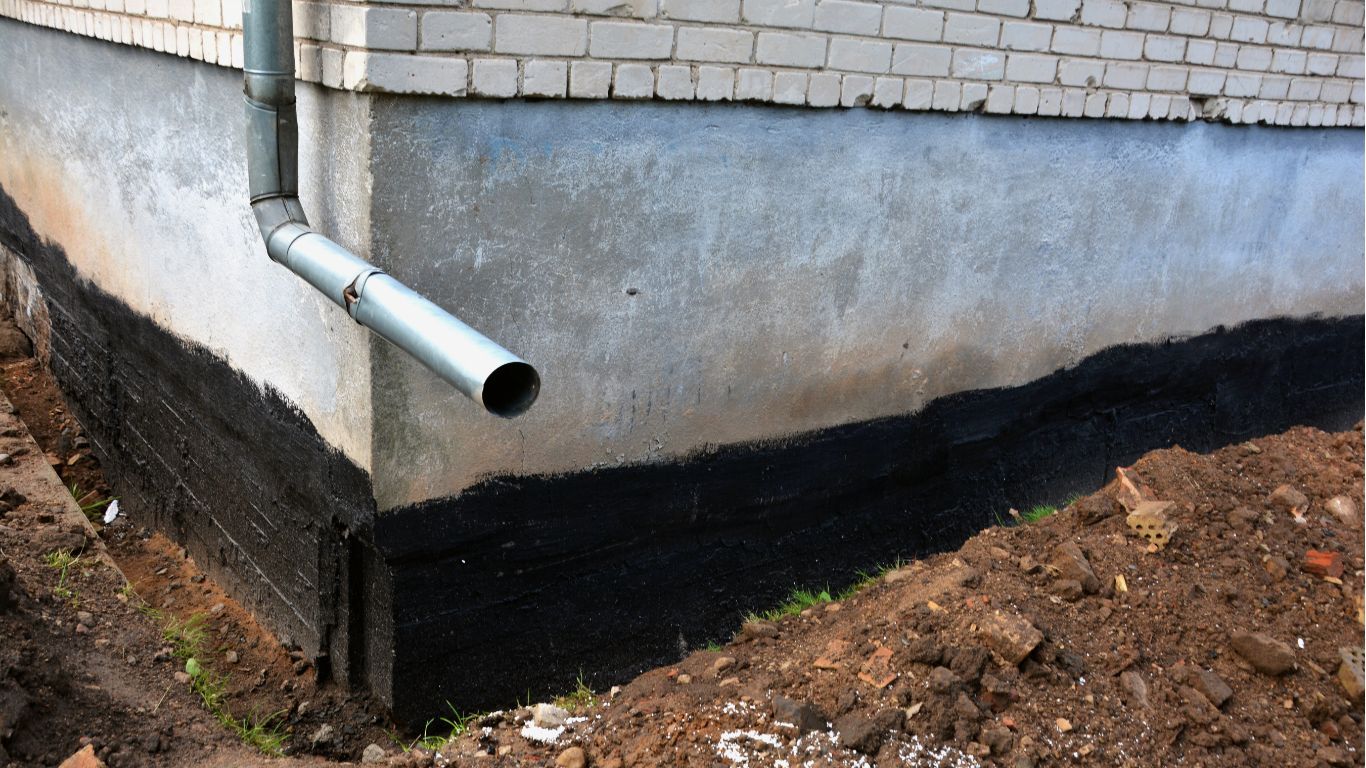
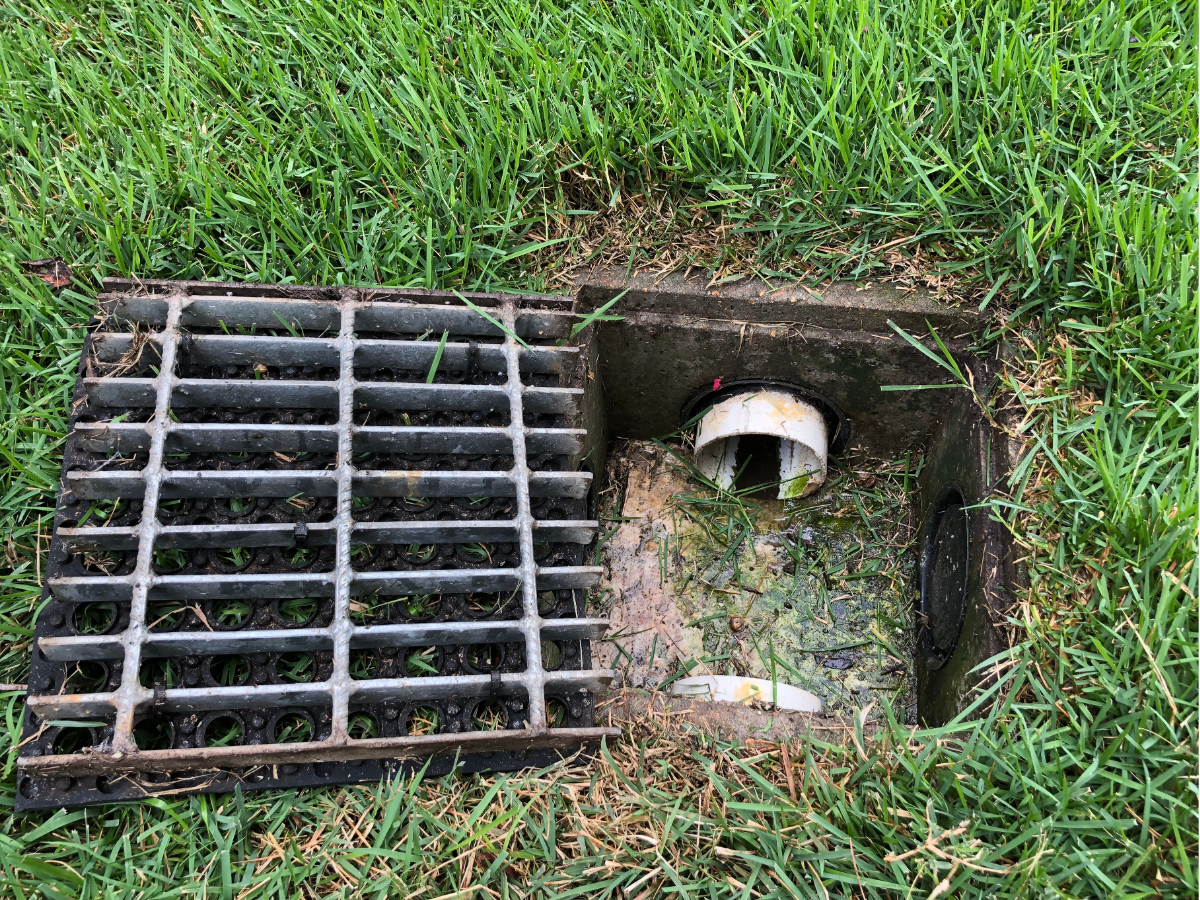
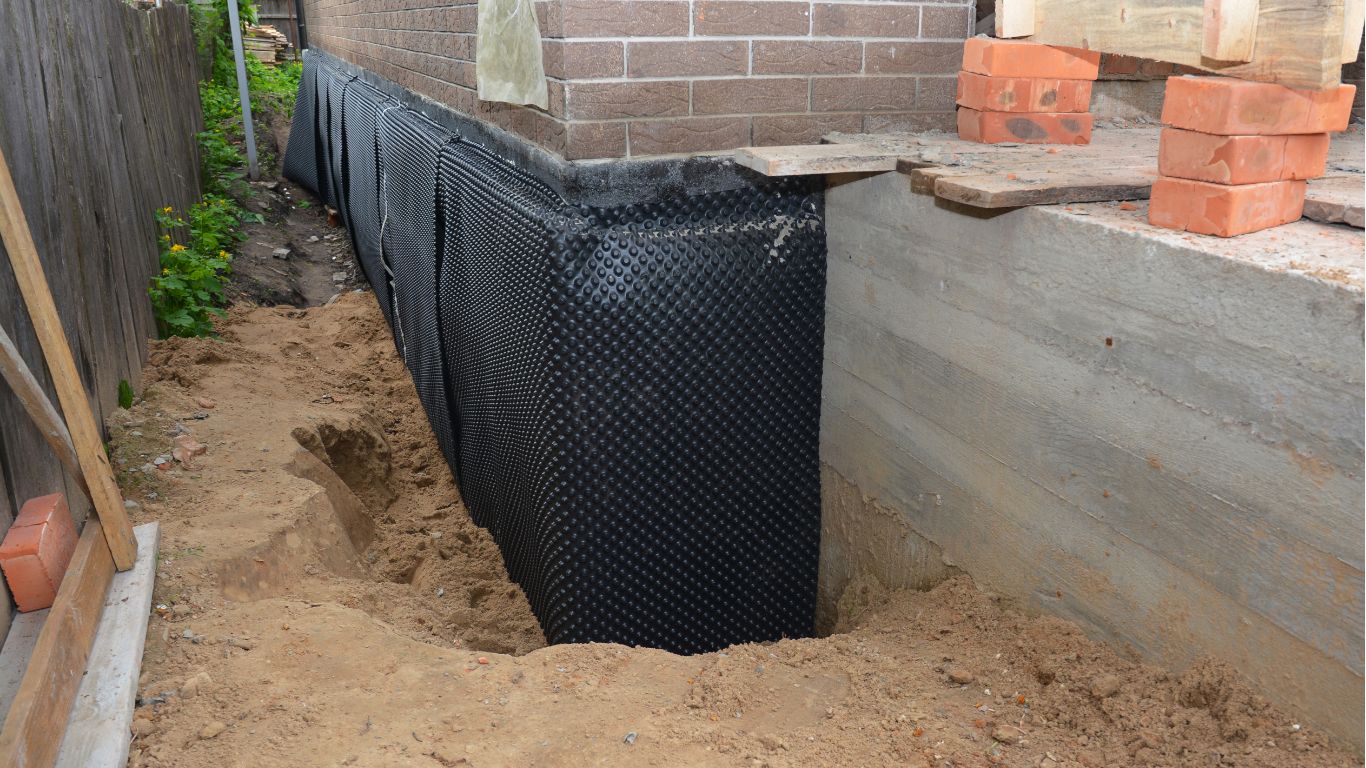
The process typically begins with excavation. Soil around the perimeter of the home is dug down to the base of the foundation, exposing the exterior walls. From there, a waterproofing membrane or coating is applied directly to the outside face of the foundation. This barrier is designed to prevent water from penetrating the concrete or block in the first place. Once the membrane is in place, drainage systems — most commonly a French drain installation — are installed at the base of the foundation to direct groundwater away from the home before it can build up pressure against the walls.
Exterior waterproofing is particularly well-suited to situations where:
- There are visible foundation cracks on the outside of the home that are allowing water direct entry points
- Soil grading around the home slopes toward the foundation rather than away from it, directing runoff directly into the ground near the walls
- The home has experienced repeated basement flooding despite previous interior attempts to address the problem
- A homeowner is undertaking a major renovation and the disruption of excavation is already planned or manageable
- The long-term goal is to address the water problem at its source rather than manage it ongoing
The trade-off with exterior waterproofing is clear: it's more labor-intensive, more time-consuming, and generally more expensive than interior methods. It may also require permits depending on the scope of the work and local municipality requirements. For many Long Island homeowners, the decision comes down to the severity of the problem and the long-term cost calculation — addressing things properly now versus managing symptoms indefinitely.
Reading Your Basement's Symptoms: Which Problem Do You Actually Have?
One of the most useful things a homeowner can do before calling a contractor is pay close attention to exactly how and where water is appearing in their basement. The pattern of water intrusion often tells a clear story about whether an interior or exterior approach — or a combination of both — is most appropriate.
Here are some common symptom patterns and what they tend to indicate:
- Water appearing along the base of walls or at the floor-wall joint: This is often a sign of hydrostatic pressure — groundwater pushing up from below or in through the lowest points of the foundation. Interior drainage systems and sump pump installation are frequently the most practical solution for this pattern.
- Efflorescence (white chalky deposits) on walls: This indicates that water has been moving through your concrete or block walls over time, carrying dissolved minerals with it. It points to ongoing moisture migration through the wall material itself, which may respond well to exterior membrane waterproofing combined with improved drainage.
- Visible cracks in the foundation wall with water staining or active seepage: Cracks are entry points, and water will find them reliably during heavy rain. Depending on whether the cracks are structural or surface-level, the solution may involve exterior excavation and sealing, interior injection methods, or both.
- Musty odors and surface mold without obvious standing water: This often points to humidity and vapor transmission rather than active flooding. Interior sealants and improved ventilation may address this, though it still warrants a professional assessment to rule out hidden water pathways.
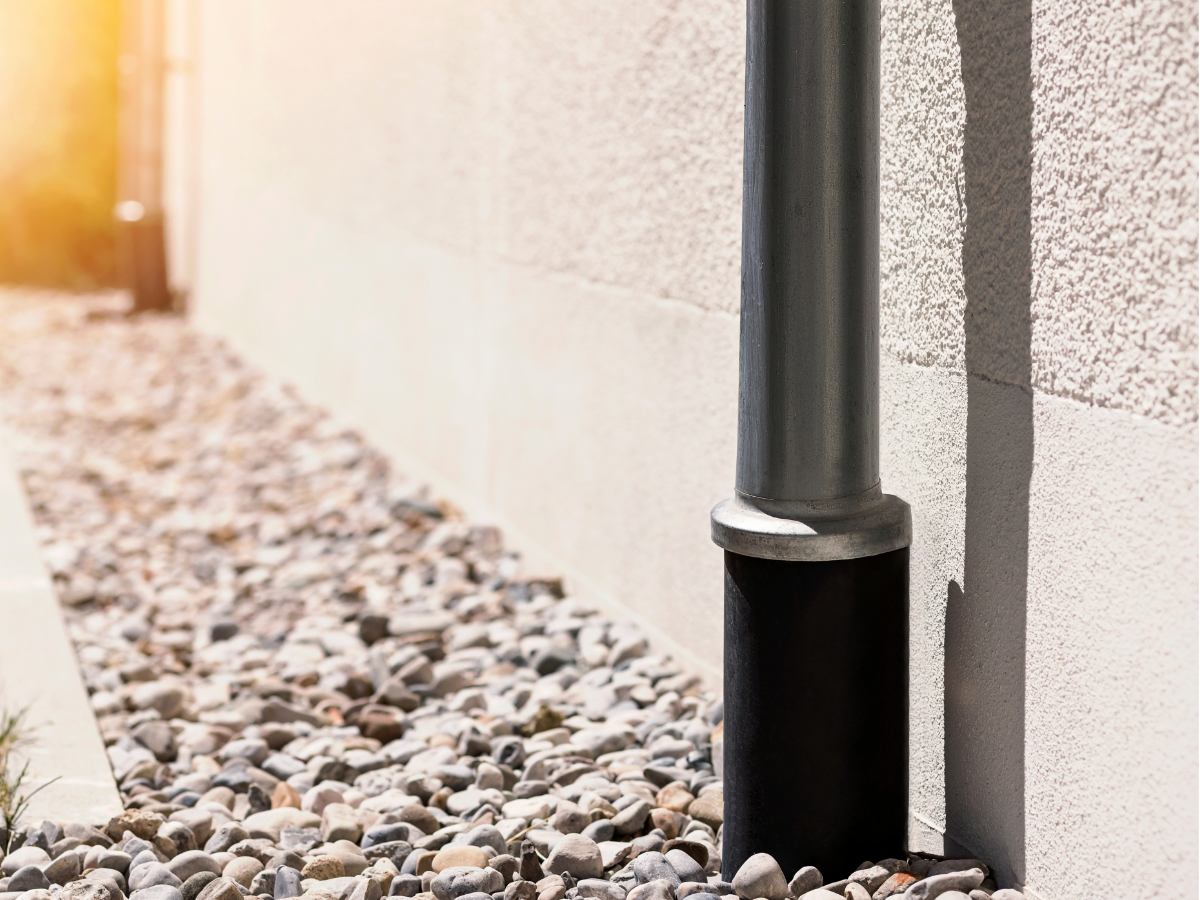
- Sudden flooding during or immediately after heavy rain events: This pattern typically points to surface water management — poor grading, overwhelmed gutters, or inadequate drainage directing water toward the foundation. French drain installation and exterior grading corrections are often the most effective interventions here.
It's also worth noting that Long Island's geology plays a role. Parts of Nassau and Suffolk County sit above sandy, permeable soils that drain relatively quickly, while other areas have heavier soils that retain water longer and create sustained hydrostatic pressure after rain events. What works well for a home in one neighborhood may not be the right answer for a home two miles away — which is exactly why a site-specific assessment matters so much before any waterproofing work begins.
The honest reality is that interior and exterior waterproofing aren't competing options so much as they are tools designed for different jobs. Many homes ultimately benefit from elements of both — for example, an exterior membrane combined with an interior sump pump system creates a comprehensive two-layer approach that addresses water both before it enters and in the event that some moisture makes it through. Understanding the distinction between the two methods puts you in a far better position to have an informed conversation with a waterproofing contractor and to evaluate whether the recommendation you're getting actually fits the problem in your specific basement.
Why Getting the Diagnosis Right Matters More Than the Method
Here's where many Long Island homeowners run into trouble: they search for a quick fix, pick a method based on price or availability, and end up with a waterproofing solution that doesn't actually match what their basement needs. Interior waterproofing applied to a home that needs exterior intervention doesn't solve the problem — it just relocates it. And exterior work done without addressing an existing internal drainage issue can leave water with nowhere to go. The method you choose is only as effective as the diagnosis behind it.
This is exactly why a professional assessment should always come before any recommendation. Every basement has a different set of conditions — soil composition, foundation age, drainage slope, crack patterns, and seasonal water table behavior all play a role in determining what will actually work. On Long Island, where Nassau and Suffolk County homes sit across a wide range of lot grades, soil types, and construction eras, there's no single formula that applies universally. What works for a 1960s split-level in Merrick may be entirely the wrong approach for a newer colonial in Commack.
What a Proper Waterproofing Assessment Actually Looks At
A reliable waterproofing contractor will evaluate several factors before recommending a course of action. Understanding what goes into that assessment can help you ask better questions and avoid being oversold on services you may not need — or undersold on ones you do.
- Where the water is entering: Is it coming through the floor, through wall cracks, through the cove joint where the floor meets the wall, or through window wells? Each entry point suggests a different underlying cause.
- Whether the issue is hydrostatic pressure or surface drainage: Hydrostatic pressure from a high water table calls for a different response than water pooling against the foundation after heavy rain.
- The condition of the existing foundation: Active cracks that are widening over time may indicate a structural concern that needs to be addressed before — or alongside — waterproofing.
- Soil grading and landscaping around the home: Ground that slopes toward the foundation rather than away from it directs every rainstorm straight at your basement walls.
- Existing drainage infrastructure: Homes with aging or absent drainage systems are far more vulnerable to flooding during heavy storms, which Long Island sees regularly through the summer months.
Skipping this step — or working with a contractor who skips it — is one of the most common reasons waterproofing projects fail to deliver lasting results. The goal isn't to sell a service; it's to identify the actual cause of the moisture problem and eliminate it.
How JT Masonry Approaches Basement Waterproofing on Long Island
JT Masonry & Landscaping takes an assessment-first approach to every basement waterproofing project they take on in Nassau and Suffolk County. Rather than defaulting to a single solution, their team evaluates each home's specific conditions and recommends a strategy based on what the basement actually needs — whether that's an interior solution, an exterior intervention, or a combination of both.
Their waterproofing services cover the full range of what Long Island homeowners typically need heading into and through the wet summer season:
- French drain installation: Designed to redirect groundwater and surface runoff away from the foundation before it has a chance to build pressure against your basement walls.
- Sump pump installation: A critical component of interior water management, ensuring that any water that does reach the basement interior is removed quickly and reliably before it causes damage.
- Foundation waterproofing: Sealing cracks and vulnerable points in the foundation itself to prevent water from finding its way through.
- Interior waterproofing solutions: Including drainage channel systems and sealants designed to manage moisture that has already entered, keeping the space dry and livable.
- Exterior waterproofing: Membrane applications and drainage systems installed on the outside of the foundation to block water at its source — the most comprehensive long-term solution for chronic water intrusion.
- Crawl space waterproofing: Addressing the moisture buildup that can accumulate in crawl spaces and contribute to mold growth, wood rot, and poor air quality throughout the home.
Every one of these services is available through a team that works locally, understands Long Island's specific seasonal water patterns, and has built a reputation in the region through consistent, quality-focused work.
Don't Wait Until Summer Storms Make the Decision for You
June on Long Island means humidity, afternoon thunderstorms, and the kind of sustained rainfall that reveals every weakness a basement has been hiding. If you've noticed damp walls, a musty smell, white mineral deposits on your foundation, or visible water after heavy rain, those are signs that your basement is already being stressed — and summer conditions will only intensify the problem.
The cost of addressing a water intrusion issue early is almost always a fraction of what it costs to remediate mold damage, repair a deteriorating foundation, or replace flooring and belongings after a basement flood. More importantly, the right waterproofing solution, properly installed, is designed to last — giving you year-round confidence that your home is protected regardless of what the weather brings.
Whether you're a homeowner dealing with a chronic leak, a landlord protecting a rental property, a buyer waterproofing a newly purchased home, or a seller looking to strengthen your listing before going to market, getting the right solution in place now is the smart move.
If you're ready to stop guessing and get a professional assessment from a contractor who actually knows Long Island basements, reach out to JT Masonry & Landscaping today. Their team will evaluate your specific situation, explain exactly what's causing the problem, and recommend a solution that's built to last — not just a temporary fix that leaves you back in the same position next summer. Call now and take the first step toward a permanently dry, protected basement.